Qigong , breath exercise training, and tai chi (a focus on breath and specific postures) are practiced for health and for the prevention of disease and are used in hospitals to increase the stamina of patients. Unlike modern Western medicine (which often focuses on treating specific symptoms), traditional healing seeks to address the interconnectedness of the body, mind, and spirit. In later chapters we will discuss how these effects have been studied on human patients in clinical settings as they pertain to specific symptoms. In three public hearings held by the IOM as part of its study of medical marijuana, 43 such patients came forward to relate their experiences (see Figure 2.4); the research team also
It is also a need to perform more biological evaluation towards a ray of hope establishing therapeutic guidelines of Cannabis and cannabinoids and to provide a strengthened pharmacological perspective about the prospects and challenges of Cannabis use in the future. A small randomized clinical trial reported clinical improvement in patients with schizophrenia treated with CBD (Iseger and Bossong 2015), and nine ongoing clinical trials have registered which focused on the effects of CBD on psychotic disorders (Batalla et al. 2019). Another interesting finding of the current study is that Cannabis most likely has the ability to improve sleep quality — decrease sleep disturbances, and decrease sleep onset latency (Kuhathasan et al. 2019, Nawaz et al. 2009).
Our result indicates that different parts of the Cannabis plant were used by several folk medicine practitioners in Bangladesh to improve sleep quality, relief from pain, treating diseases, and psychological conditions, including gynecological diseases, sexual problems, gastrointestinal problems, various types of cancers, asthma, and respiratory problems, etc. , see Tables 1 and 2,. We conducted an extensive study on combining detailed information on the traditional use of Cannabis sativa by folk medicine practitioners in Bangladesh. (b) The preparation made specially from dried leaves and flowers known as bhang (siddhi or hashis is given to check diarrhea), dyspepsia and bowel complaints For this review study, over 200 ethnomedicinal plants survey articles were reviewed wherein 18 survey articles have mentioned Cannabis sativa. Later, the study data have been published in English language by the authors in manuscript form in several journals. Ethnomedicine or traditional medicine knowledge usually refers to the medication of any particular culture that examines local ideas and behaviors of how to treat illness and how to stay healthy , Quinlan 2011,.
By contrast, the inflorescence of cannabis rarely appeared in historical formulas, with the exception of a relatively modest range of small formulas that are found in bencao texts. Furthermore (although records in the historical literature that suggest intoxication or altered consciousness may help to indicate preparations with significant levels of cannabinoids), such references may overlook effects that relate to non-psychoactive cannabinoids such as CBD, which are the predominant cannabinoids in the cannabis (hemp) varieties widely grown in China today. Consequently, determining the implications of different biotypes on the historical applications of cannabis requires an in-depth analysis of the actions, indications, and plant parts used in ancient medical texts. In this review — these terms are preserved via a combination of English, Pinyin, and Chinese, and the implications of their historical and contemporary confusion are discussed. In particular, historical and contemporary sources are divided regarding the botanical structures that correspond to the terms mafen (麻蕡), mahua (麻花), and mabo (麻勃), as well as terms related to the fruit or seed such as mazi (麻子), maziren (麻子仁), and mashi (麻實). Preserving the traditional terminology of Chinese medicine is essential in order for translations to capture the original meaning of historical sources.
By acknowledging and honoring the post-workout recovery and THC vape discussions historical and ongoing use of cannabis by indigenous peoples — we can promote cultural diversity, sustainability, and social justice in the cannabis industry. Despite these challenges — there are also opportunities for indigenous communities to reclaim their traditional knowledge and use of cannabis. Nevertheless, many indigenous communities in Canada and other countries have been working to reclaim their traditional knowledge and use of cannabis. In modern times (indigenous peoples continue to use cannabis for various purposes), although its use has faced challenges due to colonization and the imposition of external laws and regulations.
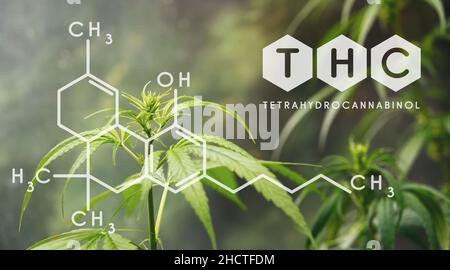
Variations in soil, temperature, humidity, and other growth conditions affect the amounts of specific cannabinoids produced. Research indicates that cannabinoids might serve as the foundation for creating new, highly targeted medications with reduced side effects. No one can reliably foresee how the balance of marijuana and its chemical components will shift for an individual patient.
A groundbreaking global study has established a connection between extended heat waves and a significant increase in mental health hospital admissions.
Artificial intelligence (AI) has emerged as a game-changer, revolutionizing the study and practice of traditional healing systems. A remarkable and rapid modernization of the ways traditional medicine is being studied can help realize the potential and promise of traditional medicine and traditional knowledge, for health and well-being. WHO encourages countries that do not already have them to establish integrated pharmacovigilance systems for both conventional pharmaceuticals and TCIM products. Many countries have a long and rich heritage of traditional medicines and have integrated it into their national health-care delivery systems to varying degrees.

The evidence suggests that programming should not disregard the spiritual and traditional aspect, as highlighted by the title of one qualitative study — “Please Don’t Just Hang a Feather on a Program or Put a Medicine Wheel on Your Logo and Think ‘Oh Well, This Will Work…”.45 In their discussion, the authors mention that the cultural advisory board members pointed out that the conclusion of the intervention likely meant the participants lost the protective benefits of TCP involvement. Dickerson et al. conducted a randomized controlled trial that revealed lower drinking rates and decreased marijuana use in the past 30 days among participants in the TCP-based treatment, although this trend reversed at the 3-month follow-up. The majority of substance abuse research focuses on the deficits, risks, and challenges faced by AIAN communities.40–42 Currently, this research informs health policy and influences funding decisions. During the trial, the researchers and staff were aware of which participants were receiving the intervention, though it was unclear whether the participants themselves were informed.
Modern Cannabis: Chinese Medicine Vs Western Medicine
Ayurveda posits that a person enjoys good health when doshas are balanced, whereas imbalances can lead to illness and disease. This section will delve into the origins of some of the world’s most cherished traditional herbs by investigating seven practices of traditional medicine that have significantly influenced modern global herbalism and complementary alternative medicine. Indeed, numerous herbs and plants have been the focus of various research studies illuminating how and why they may contribute to certain aspects of health. However, most of us are not well-informed about the history or origins of these plants or how their mechanisms of action have been uncovered.
Most historical bencao texts created before the invention of printing during the Song Dynasty are no longer complete, yet their content survives in printed works like the Materia Medica Arranged According to Pattern , Zheng Lei Ben Cao, from 1108 AD.

A study investigating the link between cultural race-related stress and the years of consistent cannabis use among incarcerated Black men indicates that cultural race-related stress could predict and clarify years of regular cannabis use. These findings appear to align with earlier studies conducted in Southern European nations , Spain and Portugal,, where strictness in socialization practices is culturally viewed negatively. Simultaneously, results from a European study on indulgent parenting styles , characterized by warmth without strictness, revealed that this approach is as protective against adolescent substance use in a European cultural setting as the authoritative style.
Although modern antimalarial medications are the primary treatment today, the historical use of cannabis for malaria underscores the plant’s diverse therapeutic potential. This is particularly true for patients undergoing chemotherapy or those experiencing conditions like irritable bowel syndrome (IBS). Patients using medical marijuana frequently turn to cannabis to manage chronic pain conditions such as fibromyalgia (neuropathy), and migraines. Among indigenous communities, one prevalent medicinal use of cannabis was for pain relief. Strains originating from North America (such as OG Kush), demonstrate the ongoing impact of indigenous practices. While not extensively documented, some Native American tribes in North America have included cannabis in their spiritual practices as well.
Over the years (indigenous peoples have integrated cannabis into their existing medicinal and spiritual practices), customizing its use to fit their unique cultural contexts. It is likely that different regions cultivated cannabis with distinct characteristics tailored for specific uses, such as medicinal applications or religious rituals. Several states (including California), Oregon, and New Mexico, have enacted provisions in cannabis legislation that specifically safeguard indigenous ceremonial use and traditional knowledge. Hindu customs have woven cannabis into religious festivals and meditative practices (especially during Holi celebrations), where the consumption of bhang links devotees to divine consciousness. Furthermore (users’ belief in the effectiveness of traditional healing practices may create a placebo effect), providing benefits that extend beyond the practice itself. For instance (administering a placebo for acupuncture is quite challenging; however), one can assess the effects of treatment compared to non-treatment.